
10 Ways SharePoint Improves Information Sharing Across Your Organisation
Discover how SharePoint empowers teams with collaboration tools, centralised document management, and powerful knowledge sharing capabilities to enhance productivity and efficiency.
SharePoint Online is a powerful collaboration tool that can help organisations of all sizes share knowledge across the organisation. Whether you are working on a project with colleagues in different locations and need to share information about the project, have a technical know-how resource and want it to be more consistent, flexible, and searchable, or simply need a central repository for documents and information, SharePoint Online can help you collaborate more effectively and efficiently.
In this blog post, we'll explore 10 ways to use SharePoint Online to collaborate and share knowledge throughout the company.
10 SharePoint Benefits for Collaboration and Knowledge Sharing
1. Create a Site
The first step to using SharePoint Online for collaboration is to create a site. A site is like a virtual workspace where you can store files, collaborate with others, and access important information. You can create a site for a specific project, department, or team, and customise it with features such as calendars, task lists, and announcements.
2. Centralised Store of Documents
SharePoint Online allows you to store all your important documents in one place, making it easier to access and collaborate on them. You can create document libraries for different types of files and assign permissions to control who can access them. By having a centralised location, everyone has access to the latest version of documents, reducing the need for multiple copies and improving version control.
3. Use Lists
SharePoint Online offers integrated lists, which can be used to manage data such as tasks, issues, orders, sales, or announcements. Lists can be customised with fields and views. Power Automate can be used to connect with lists to automate processes and repetitive tasks from the list such as follow-ups or updating the team of closed sales.
4. Collaborate in Real-time
SharePoint Online makes it easy to collaborate in real-time with colleagues. You can co-author documents, meaning that multiple people can work on the same document simultaneously. You can also set up alerts to be notified when changes are made to a document, so you always stay up to date.
5. Use Communication Tools
SharePoint Online offers several communication tools such as discussion boards and newsfeeds, which can be used to share information and updates with colleagues. You can also create blogs or wikis to share knowledge and best practices with the wider organisation.
6. Integration with Other Microsoft Tools
SharePoint integrates with other Microsoft applications such as Teams, OneDrive, Lists, and Outlook, making it easier to collaborate and share information across different platforms. This enables teams to work more efficiently and reduces the need to switch between different tools.
7. SharePoint Comments
Co-authoring is a tool native across all Microsoft online tools, but is more powerful in SharePoint when used effectively with comments. A team can simultaneously work on the same Word or Excel document and comment with each other using @ to flag comments to other users. Outside of the document, users can also comment on documents by right-clicking and selecting properties, then using the Activity tab.
8. Powerful Search
Using SharePoint as a shared knowledge resource for technical subjects or complex business processes has huge benefits for team productivity. The search feature indexes everything from page content to document content. When a problem arises, teams can search the knowledge resource to find answers, making troubleshooting faster and more efficient.
9. Analytics
SharePoint has built-in analytics providing details about the most-used resources and per-page activity over 7, 30, or 90 days. You can use this information to make better-informed decisions on new content or identify missing information. The Site Usage page also shows information about documents shared externally, helping you maintain visibility and security.
10. Mobile Access
SharePoint provides mobile access to sites for authorised users, making it easier for employees away from the office to access information and collaborate on the go. This means team members can stay connected and collaborate from anywhere, improving productivity and reducing delays.
SharePoint Analytics for Better Decision-Making
Effective communication and information sharing are critical components of any successful business. In today's fast-paced digital world, organisations need to be able to share information quickly and efficiently across departments, teams, and locations, sometimes even externally.
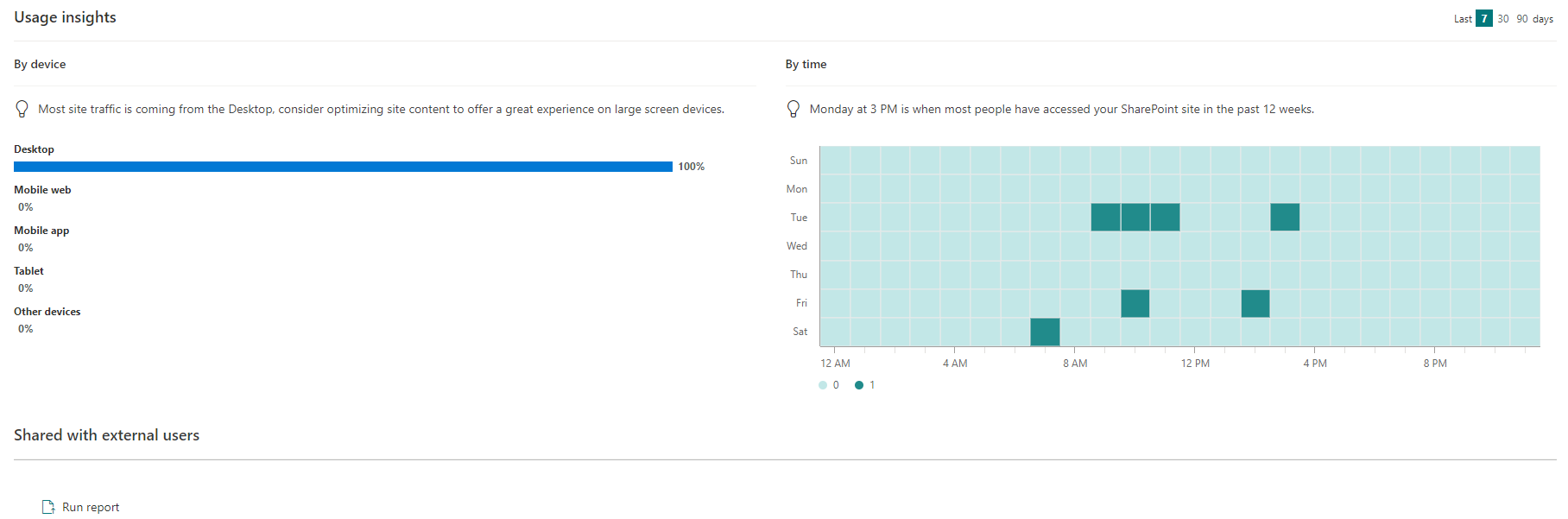
SharePoint Site Analytics provides insights into resource usage and user engagement
Analytics Dashboard Features
SharePoint's analytics dashboard shows you which resources are being accessed most frequently, helping you understand what content is valuable to your organisation. The Site Usage page also displays information about externally shared documents, allowing you to periodically review and maintain control over sensitive information.
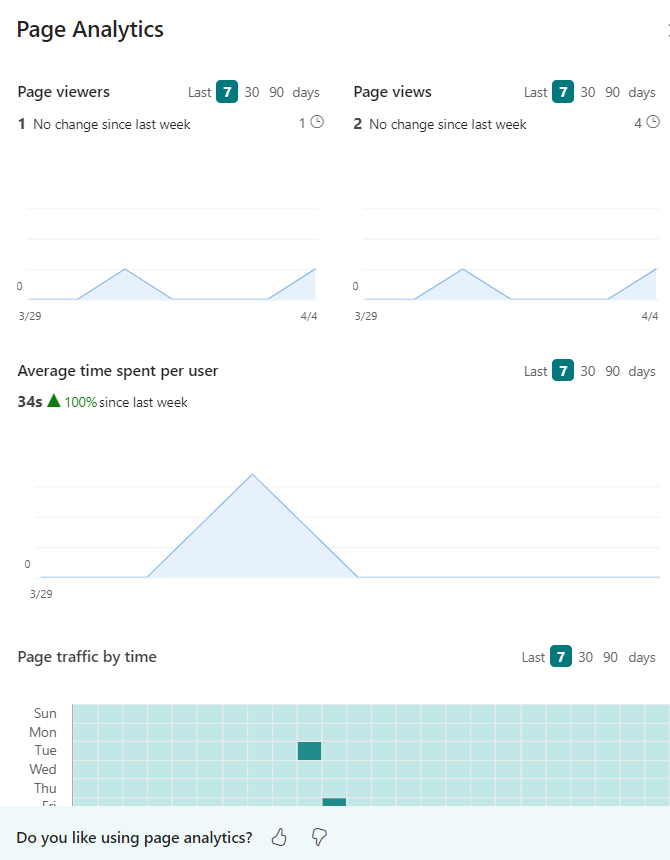
On-Page Analytics: Detailed breakdown of user activity and engagement metrics
Web Parts for Content Creation
SharePoint has many different web parts such as embed document, web links buttons, images, hero elements, lists, and many more. This allows everyday citizen users the ability to create great-looking web pages full of content with ease. Read more about web parts and how they work.
Conclusion
SharePoint is a powerful tool that can help your organisation improve information sharing and collaboration. By providing a central location for document management, facilitating team collaboration, enabling communication and knowledge sharing, providing mobile access, and integrating with other tools, SharePoint can empower the workforce to share information more effectively.
If you're not already using SharePoint, now is the time to start! The benefits of improved collaboration, centralised knowledge management, and real-time communication can transform how your organisation operates, making teams more productive and informed.