
SharePoint Web Parts Explained: Build Dynamic Pages with Ease
Master SharePoint Online web parts and discover 30+ powerful tools to create intuitive, data-driven pages that enhance collaboration and information sharing across your organisation.
Leveraging SharePoint to Store and Organise Key Company Information
SharePoint Online is a powerful platform for organising and sharing information across your organisation. Web parts are the building blocks that transform SharePoint pages from simple documents to dynamic, interactive information hubs. These snippets of code add extra functionality and provide better graphical representations of your data, making information more intuitive and accessible to everyone.
Whether you're looking to display documents, manage tasks, embed external content, or create visually stunning pages, SharePoint web parts provide the tools you need. In this comprehensive guide, we'll explore the most useful web parts available and how to use them effectively.

SharePoint provides a central location for organising and sharing company documents and knowledge resources
How to Add a Web Part to Your SharePoint Page
Getting started with web parts is straightforward. Here's the step-by-step process:
- Navigate to the page where you want to add a web part
- Click the Edit button to enter edit mode
- Hover around the bottom of an existing web part or the top of the page underneath the main bar
- Click the + icon in the centre to add a new web part
- If the + icon doesn't appear, you may need to add a new section first
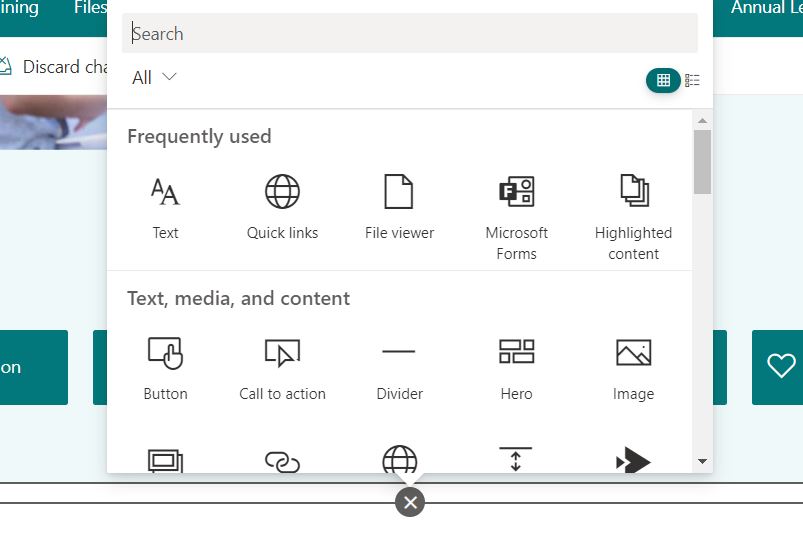
The intuitive interface makes it easy to add web parts to your SharePoint pages
Pro Tip: Multiple Sections
You can create multiple sections on a page to organise web parts in different layouts. This allows for more creative and organised page designs.
Document Library Web Part: Centralised File Access
The Document Library web part is one of the most frequently used web parts for displaying and accessing files. It allows you to connect and display document libraries directly on your SharePoint page, making it easy for team members to find and access the files they need.
Key Features:
- Multiple displays: Add multiple Document Library web parts to the same page to display different file locations
- Custom views: Show filtered views based on specific files or conditions
- Nested folders: Link to specific folders within folders using the nested folder option (separate paths with '/')
- Improved access: Team members see the latest version without needing to navigate between locations
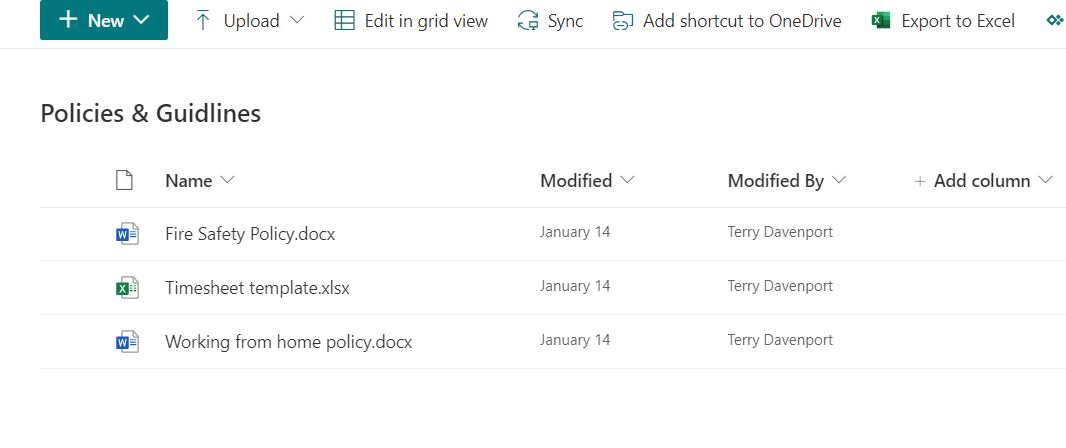
Display documents with custom views and folder filtering
30+ Key SharePoint Web Parts Explained
Web parts are the fundamental building blocks of SharePoint pages. Each web part provides specific functionality to enhance your page's interactivity, visual appeal, and data presentation. Below are the most popular and useful web parts available:
Bing Maps
Add a map function to your pages. Customise pin labels, add specific locations (floor or building names), choose between Street view, Aerial, Birds Eye, or Road view, and toggle street labels on or off.
Buttons
Create styled buttons with customisable labels, links, and alignment. Button colours are derived from your site theme. Use layouts like two or three columns for more control over button positioning.
Call to Action Buttons
Enhanced version of standard buttons with background images and text overlays. Perfect for promotions and creating visually striking calls to action that drive user engagement.
Conversations (Yammer)
Add employee engagement features to leadership sites, news sites, IT support pages, HR resources, and community sites. Display conversations by group, user, topic, or feed. Configure the number of conversations displayed (4, 6, or 8).
Yammer Highlights
Search for specific Yammer groups and display selected conversations, latest conversations, or most popular conversations. Great for curating content and highlighting important discussions.
Countdown Timer
Perfect for events and promotions. Set a background image, end date, and descriptive text. Add a call to action button for additional engagement (e.g., "Click here to find out more").
Divider
Used to separate web parts and add padding to your pages. Essential for maintaining proper alignment when using multi-column layouts.
Embed
Interlink other websites' content into SharePoint. Paste the web address of secure websites or the embed code (iframe-based only; script tags are not supported).
Events
Pull events from your organisation's calendar or all websites linked to your Office 365 tenant. Create new calendar events directly from the web part. Choose between filmstrip or compact views.
Group Calendar
Link to Office 365 group calendars (including those automatically created with Microsoft Teams). Add multiple group calendars to display upcoming entries from different teams or departments.
Hero
Display content in a containerised, professional format. Choose between Tiles or Layers layout. Layers allows image on one side with text and button on the other. Add background images, buttons, titles, and descriptions.
Highlighted Content
Show popular content and recent document changes at a glance. Helps users stay updated on what's being used and modified most frequently.
Image
Upload images from your computer or use stock images from Microsoft's collection. Crop, align, resize, and add overlays. Hyperlink images to URLs and add alternative text for accessibility.
Image Gallery
Display multiple images in one web part. Choose from three layouts: Grid, Brick, or Carousel. Perfect for showcasing portfolios, projects, or visual content.
Link
Turn URLs into attractive cards. Enter a web link and SharePoint automatically generates a card based on the linked page. Clean way to direct users to other resources.
Lists
Embed SharePoint lists directly into pages. Create and embed custom views to show only relevant data. Useful for displaying tasks, issues, sales records, or any structured data.
List Properties
Used with the Lists web part to display full information from a specific list entry. Provides detailed views of individual records.
Markdown
Add formatted text using Markdown language. Excellent for displaying programming code or complex text formatting that standard text boxes can't handle.
Microsoft Forms
Embed forms created in Microsoft Forms. Either create a form directly or obtain a share link from an existing form, then embed it into the web part.
My Feed
Display personalised content from across Microsoft 365 apps for each user. Shows forms, documents, web pages, and other resources based on user activity.
News
Display news from your site, other sites you have access to, or recommended news from across your tenant. Choose layouts, apply filters, and organise posts to keep teams informed.
Organisational Chart
Pull information from Active Directory to display your organisation's hierarchy. Shows reporting relationships and management structure. Configurable to show multiple reporting levels.
Page Properties
Display properties from the site pages library. Create custom page properties (single line text, choice, number, date/time, person/group, managed metadata) and display them across pages.
People
Display Office 365 user profiles in a card view. Show profile information, names, job titles, and contact details. Choose between Compact or Descriptive views.
Power BI
Embed Power BI reports directly into your SharePoint pages. Link to reports built in Power BI (users typically need access to the underlying report).
Quick Links
Display links with enhanced graphics and functionality. Choose from grid view, compact, filmstrip, buttons, list, or tiles layouts. Multiple size options available for flexible page design.
Quick Charts
Create interactive Pie or Column charts. Enter up to 12 data points manually or use a SharePoint list as the data source for up to 50 data points.
Embed public Twitter profiles. Specify how many tweets to display and keep your page updated with the latest social media content.
Weather
Display weather forecasts for specific locations. Keep teams informed about weather conditions affecting their area.
World Clock
Embed current times from different geographical locations. Useful for distributed teams and global organisations.
YouTube
Embed publicly hosted YouTube videos directly onto your pages. Perfect for training, announcements, and visual content.
Best Practices for Using SharePoint Web Parts
Design Principles
- Keep pages scannable: Use dividers and layouts to separate content and guide users through the page
- Prioritise information: Place the most important content "above the fold" (visible without scrolling)
- Use consistent styling: Match web part layouts and colours with your site theme
- Avoid clutter: Don't overload pages with too many web parts; let content breathe
- Test on mobile: Ensure your page layout works well on smaller screens
Accessibility Considerations
- Always include alternative text for images
- Use proper heading hierarchy (H2, H3, H4)
- Ensure sufficient colour contrast for readability
- Use semantic HTML for lists and structured data
- Test with screen readers to ensure web parts are properly labelled
Performance Tips
- Limit the number of web parts per page to maintain fast load times
- Use custom list views to reduce data load on the page
- Optimise image sizes before uploading
- Consider archiving or removing outdated content
Creating Visually Stunning Pages with the Hero Web Part
The Hero web part is one of the most versatile tools for creating professional-looking pages. Its two layout options—Tiles and Layers—provide flexibility for different content types and design preferences.
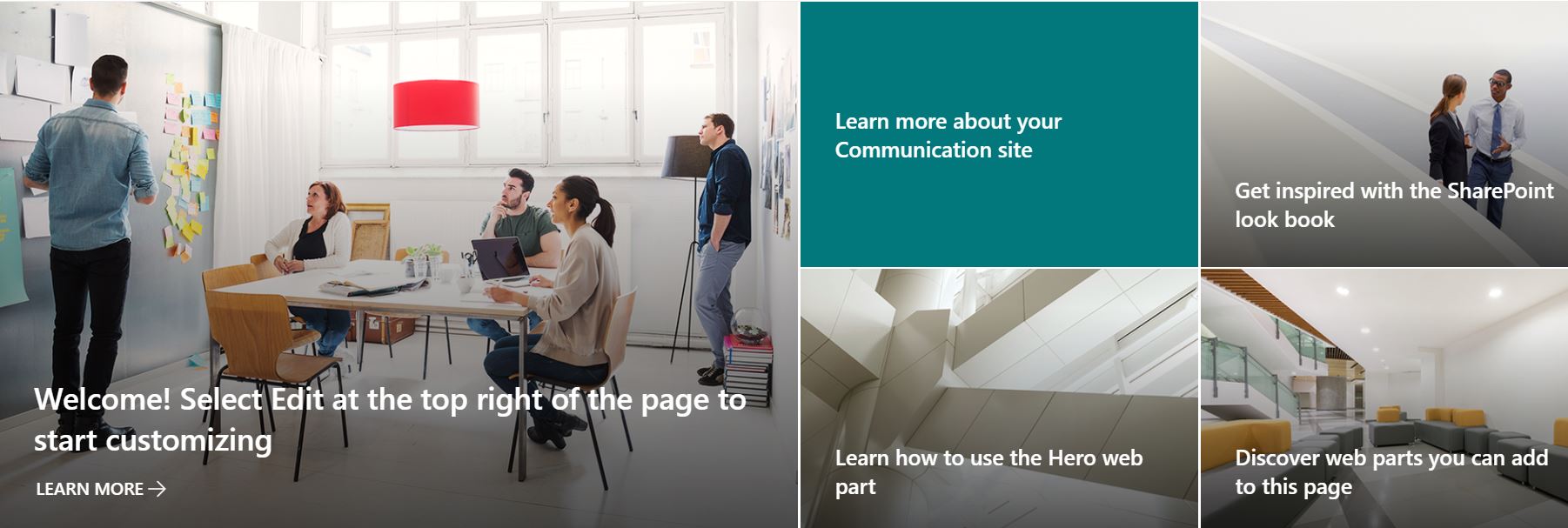
Hero web parts can display content in Tiles or Layers layouts for maximum visual impact
Hero Web Part Features
Tiles Layout: Groups graphics into organised slabs separated like tiles. Ideal for showcasing multiple related items or projects with equal visual prominence.
Layers Layout: Displays an image on one side with text and call-to-action buttons on the other. Automatically pulls information based on the URL you provide, making it easy to create dynamic content.
Both layouts allow customisation of backgrounds, call-to-action buttons (like "Read More"), titles, and descriptions for complete design control.
Managing Images in SharePoint
Images are essential for creating engaging SharePoint pages. Whether you're using stock images, company photos, or diagrams, SharePoint makes image management straightforward.
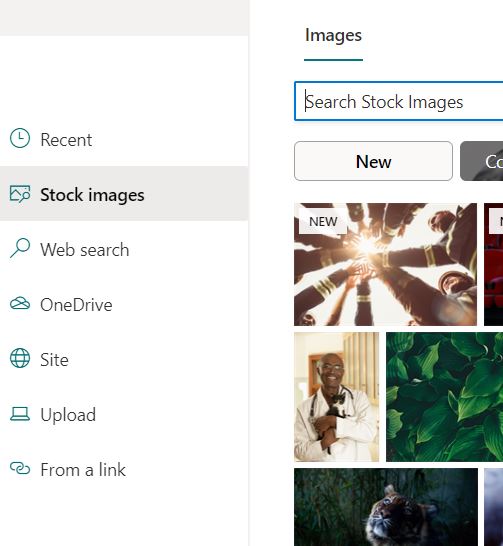
SharePoint's image tools provide cropping, alignment, resizing, and text overlay capabilities
Image Options and Features
- Upload: Upload files from your local computer using the upload tab
- Stock Images: Use Microsoft's collection of standard images for quick content
- Editing Tools: Crop, align, and resize images using the top toolbar
- Hyperlinks: Link images to web URLs for interactive content
- Alternative Text: Add alt text for screen readers and accessibility
- Text Overlays: Add descriptive text directly on top of images
Displaying Data with Lists Web Part
The Lists web part brings your organisation's data directly into SharePoint pages. Whether you're managing tasks, tracking issues, recording sales, or organising announcements, lists provide a powerful way to present structured information.
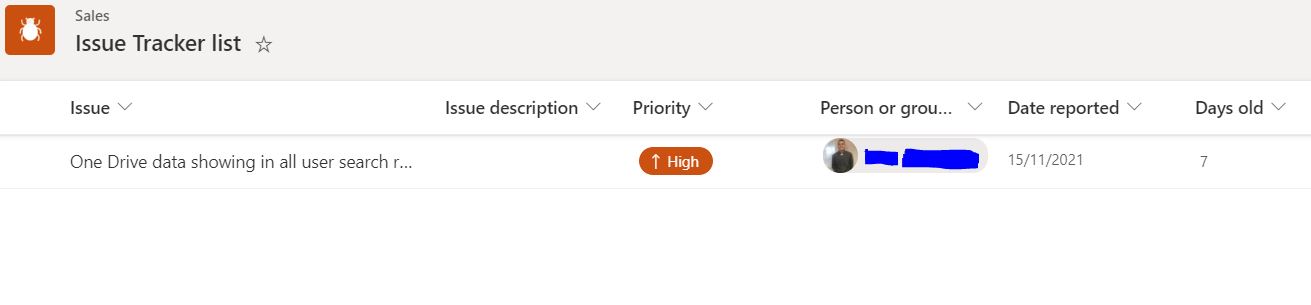
Embed lists with custom views to display exactly the data your team needs
Lists Web Part Advantages
- Custom Views: Create different views to show only relevant information
- Divided Information: Display different categories on different pages
- Default Flexibility: Choose to embed default list views or custom configurations
- Real-time Data: Changes to lists automatically update on pages
- Integration: Works seamlessly with Power Automate for process automation
Keeping Teams Informed with News Web Part
The News Feed web part is essential for keeping your organisation connected and informed. It displays news posts with multiple options for customisation and filtering.
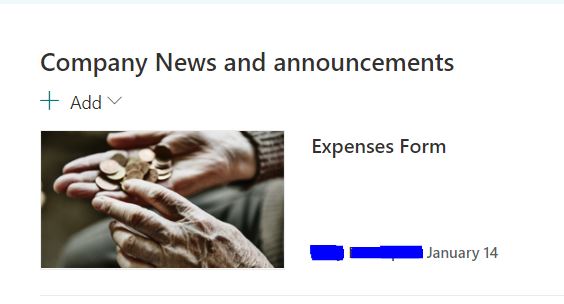
News web parts help teams stay updated on company announcements and important information
News Web Part Options
- Display Sources: Show news from your site, other accessible sites, or recommended news across your tenant
- Design Layouts: Choose from multiple design options to match your site aesthetic
- Filtering: Narrow down news to specific topics or categories
- Organisation: Sort and organise news posts to highlight the most important content
- Personalisation: Display recommended news tailored to each user's activity and interests
Conclusion: Transform Your SharePoint Pages with Web Parts
SharePoint web parts are powerful tools that enable non-technical users to create sophisticated, data-driven pages without writing code. Whether you're building a team collaboration site, company knowledge base, or departmental hub, the right combination of web parts can transform how your organisation shares information and collaborates.
From simple document displays to complex interactive dashboards, web parts provide the flexibility to meet your organisation's unique needs. The key is understanding what each web part offers and how to combine them effectively to create intuitive, engaging pages.
Ready to build better SharePoint pages? Start by planning your page layout, identifying the most important information to display, and selecting web parts that match your goals. With a bit of creativity and these tools, you can create pages that your team will actually want to use.
Need Help Optimising Your SharePoint Pages?
Web parts are just the beginning. Our SharePoint experts can help you design information architecture, create governance policies, train your teams, and implement best practices to maximise the value of SharePoint across your organisation.
Get Expert SharePoint Support